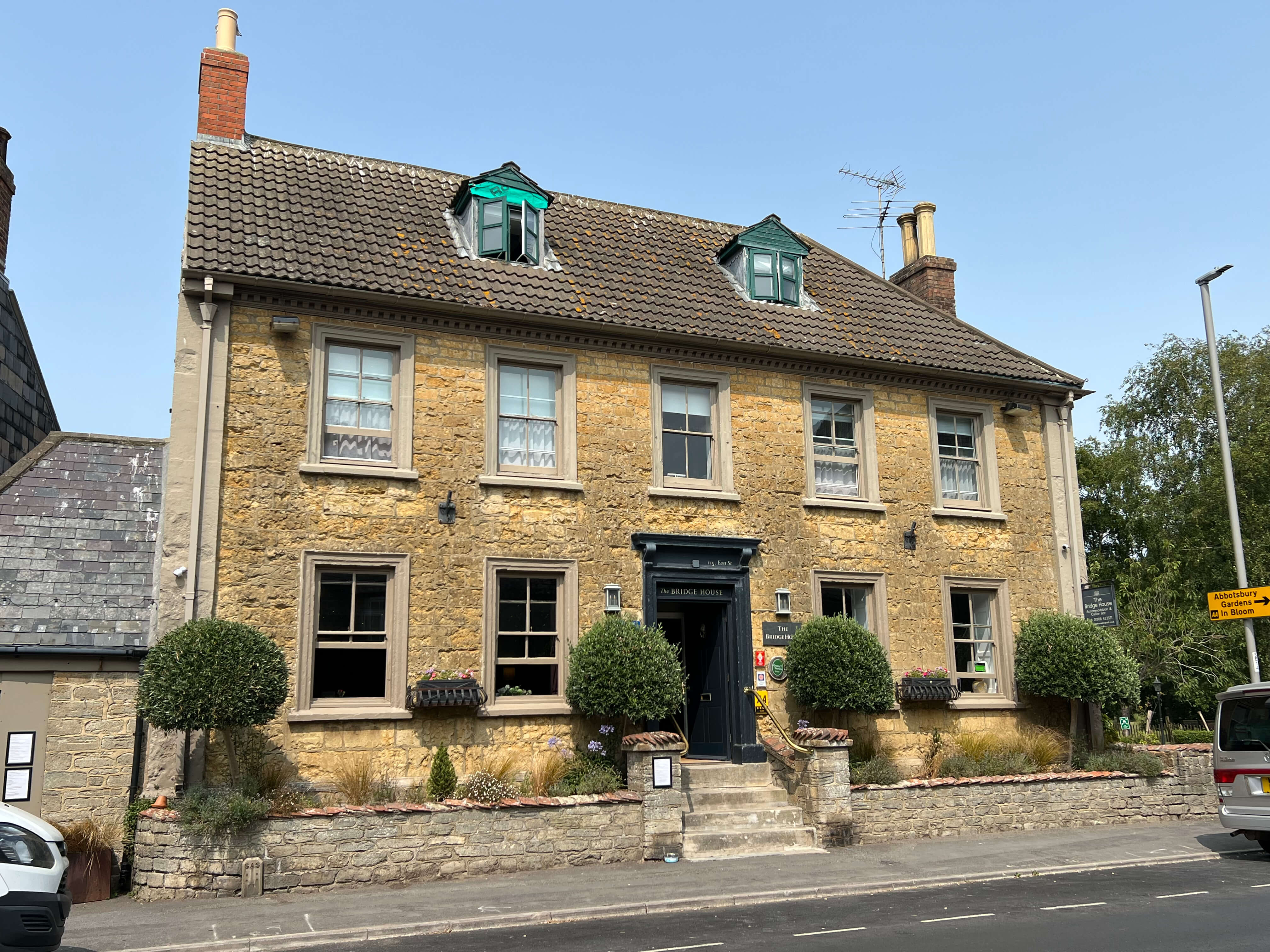
A hospitality website has a different job to many conventional business websites. Most visitors are trying to answer practical questions quickly, often on a phone, and then take action.
- What is on the menu?
- How much does it cost?
- When are you open?
- Where are you?
- Can I book?
- What does the venue look like?
- Do you have outdoor seating?
- Are there rooms available?
A great hospitality website should look good, be easy for customers to use and be easy for the business to keep up to date.
What should a good pub or restaurant website include?
A clear, useful homepage
The homepage should immediately tell customers what the business is, where it is, what type of food, drink or experience it offers, whether they need to book, how to view the menu and how to contact or find the venue.
Avoid vague marketing copy that forces people to hunt for basic information. Important actions should be easy to find.
Mobile-first design
Customers frequently visit hospitality websites while travelling, walking around a town, checking a menu, deciding where to eat or trying to make a booking.
The site needs readable menus, large touch targets, simple navigation, obvious booking buttons, click-to-call links, directions and quick loading.
Great photography
Customers should be able to get a feel for the venue before visiting. Good photography can show food, drinks, the bar, restaurant, rooms, garden, terrace, exterior and atmosphere.
Where possible, use real venue photography rather than generic stock images. It gives customers a more accurate sense of what to expect.
Opening hours
Opening hours should be extremely easy to find, especially on mobile. Depending on the business, this might include food service times, bar opening times, breakfast, lunch, dinner, Sunday service and seasonal hours.
Location, directions and contact information
Basic contact information should not be hidden behind a complicated form. Customers may need the address, telephone number, email or contact form, map, directions and parking information.
Online bookings
Restaurants, pubs and hotels may already use specialist booking platforms. The website should make the booking journey obvious and simple, linking to or embedding the existing provider cleanly where appropriate.
Events and what's on
Live music, quiz nights, food nights, sporting events, Christmas menus, Mother's Day, Father's Day, Valentine's Day and private events all need somewhere clear to live on the website.
A proper events section makes it easier for the business to promote what is happening without burying updates in social media posts.
Private hire, functions and enquiries
Venues with function rooms or private spaces can benefit from dedicated pages for weddings, wakes, birthdays, meetings, private dining, parties and corporate events.
These pages can attract people searching specifically for a venue, not just somewhere to eat or drink. Clear enquiry calls to action matter here.
Dietary and allergen information
Customers increasingly want to understand options before visiting, including vegetarian, vegan, gluten-free and other dietary information.
Allergen information should be handled carefully. Website content can help customers prepare, but it should not replace a conversation with venue staff about allergies.
Search engine optimisation
SEO should help search engines understand what the venue is, where it is, what it offers, when it is open and what type of food or service it provides.
Useful foundations include unique page titles, meta descriptions, semantic headings, structured content, local business schema where appropriate, sitemap entries, canonical URLs, Open Graph data, image alt text and good internal linking. Write for customers first, not keywords.
Speed and performance
A beautiful hospitality website is not useful if customers are waiting for huge images and unnecessary scripts to load. Images, CSS, JavaScript, fonts and caching all affect mobile performance.
Reviews and social proof
Where genuine content is available, the website can display testimonials, review highlights, awards, accreditations and press mentions. These should be real and current, not fabricated filler.
Analytics
The business should be able to understand how the website is being used. Useful measures can include visitors, popular pages, menu views, booking button clicks, telephone clicks, direction requests and enquiry conversions.
Social media without relying on social media
Instagram and Facebook can be useful, but they should complement the website rather than replace it. Evergreen information such as menus, opening hours, bookings, location, events and rooms should live on the website.